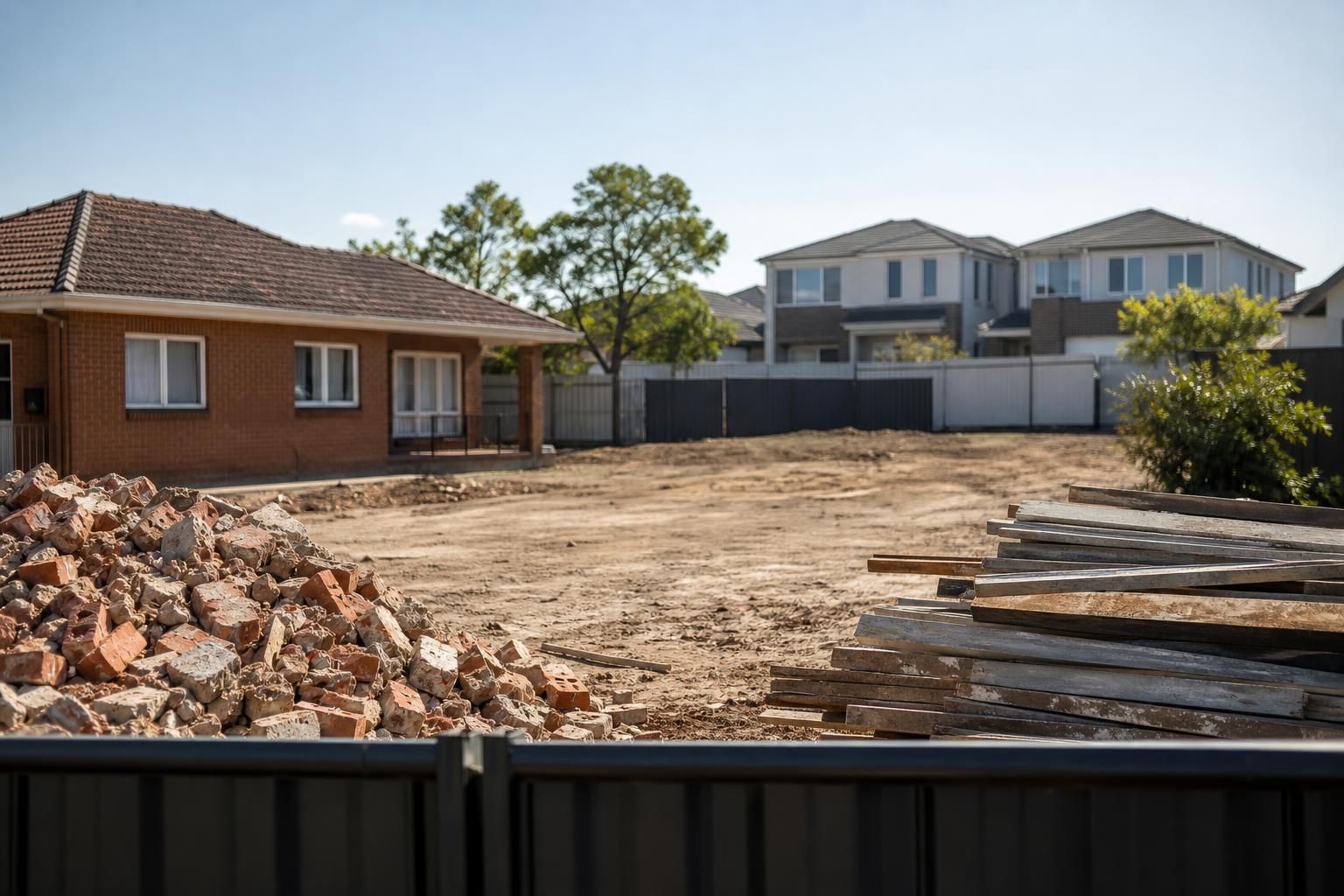
The “best” duplex build in Western Sydney is the one that suits your block, your council’s rules and what you plan to do with the second dwelling. Before you compare builders, you need to know whether your land can legally take two dwellings, whether you will go down the Complying Development path or lodge a Development Application, and whether you intend to sell one side, rent it out or keep both in the family. Those three answers change the design, the cost and the sort of builder you want.
First: can your block actually take a duplex?
Most Western Sydney duplex projects live or die on the site, not the design. The things that decide it:
- Zoning. Dual occupancy needs to be permitted in your zone under the local environmental plan. R2 and R3 zones commonly allow it, but councils differ and controls change.
- Minimum lot size and frontage. Many councils set a minimum area and a minimum street frontage for dual occupancy, and a higher one again if you want to subdivide into two separate titles.
- Slope and soil. A flat lot on stable clay is a very different build to a sloping site in the foothills or reactive soil that needs deeper footings or piers.
- Easements, sewer and stormwater. A sewer main running through the middle of the block can force a build-over application or push the whole footprint sideways.
- Overlays. Bushfire, flood and heritage controls all add design requirements and assessment time.
A builder or town planner should check this with a proper site and title search before anyone draws a floor plan. Paying for that early is much cheaper than redesigning later.
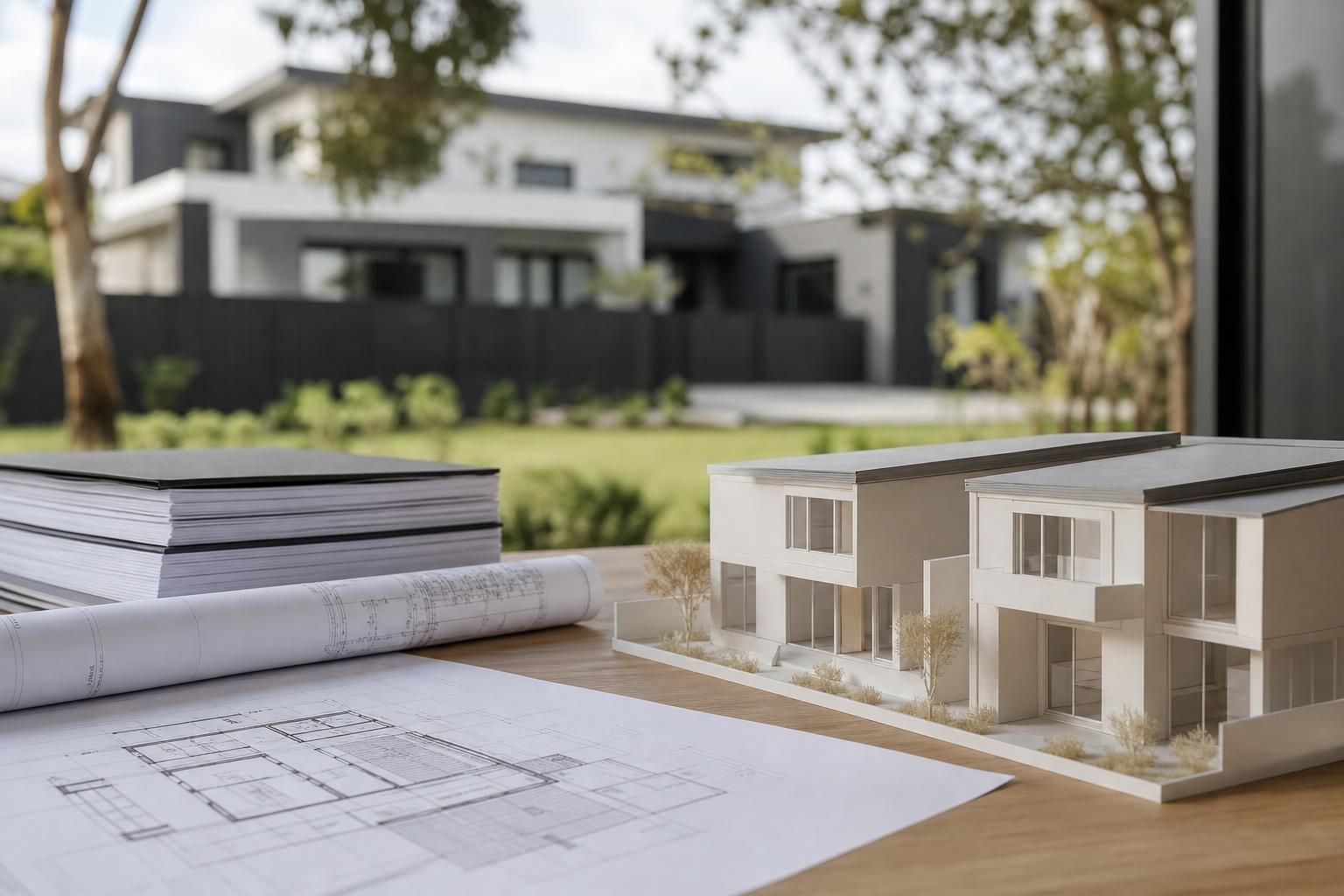
CDC or DA: the two approval paths
Both paths are legitimate. Which one you can use depends on whether your site and design meet every clause of the state policy for complying development.
| Complying Development (CDC) | Development Application (DA) | |
| Who assesses | Council or a registered certifier | Council |
| Typical timeframe | Weeks, once documents are complete | Months, and longer if referrals or resubmissions are needed |
| Flexibility on design | None. Every standard must be met exactly | Merit based, so variations can be argued |
| Neighbour notification | Not generally required | Usually required, and objections can slow things |
| Best suited to | Regular shaped, compliant lots with a standard design | Odd shapes, slope, heritage, flood, or a design that steps outside the standards |
The rules for complying development sit in state planning policy and are administered through the NSW Planning Portal. A builder who tells you a CDC is guaranteed before the site has been checked is guessing.
Torrens, strata or keep it whole
If your plan is to sell one dwelling, how the land is divided matters more than the tiles.
- Torrens title subdivision gives two fully separate lots. Buyers generally prefer it and it usually values higher, but councils set stricter minimum lot sizes and frontage for it.
- Strata subdivision divides the building rather than the land. It is achievable on some blocks that cannot meet Torrens minimums, but it comes with a body corporate and shared property.
- No subdivision keeps one title with two dwellings. Fine if you are renting the second out or housing family, and it avoids the subdivision costs entirely.
Decide this at the start. Party wall construction, separate services, separate meters and driveway layout all follow from it.
What actually drives the cost
Nobody can quote a duplex honestly from a street address. The variables that move the number most:
- Site conditions. Slope, rock, fill, reactive soil and tree removal all change the cost of everything below floor level.
- Demolition. A knockdown rebuild adds demolition, asbestos handling if the old house has it, and service disconnections.
- Size and layout. Two storeys over a smaller footprint often works out better than sprawling single storey on a tight block, but it adds structure and access costs.
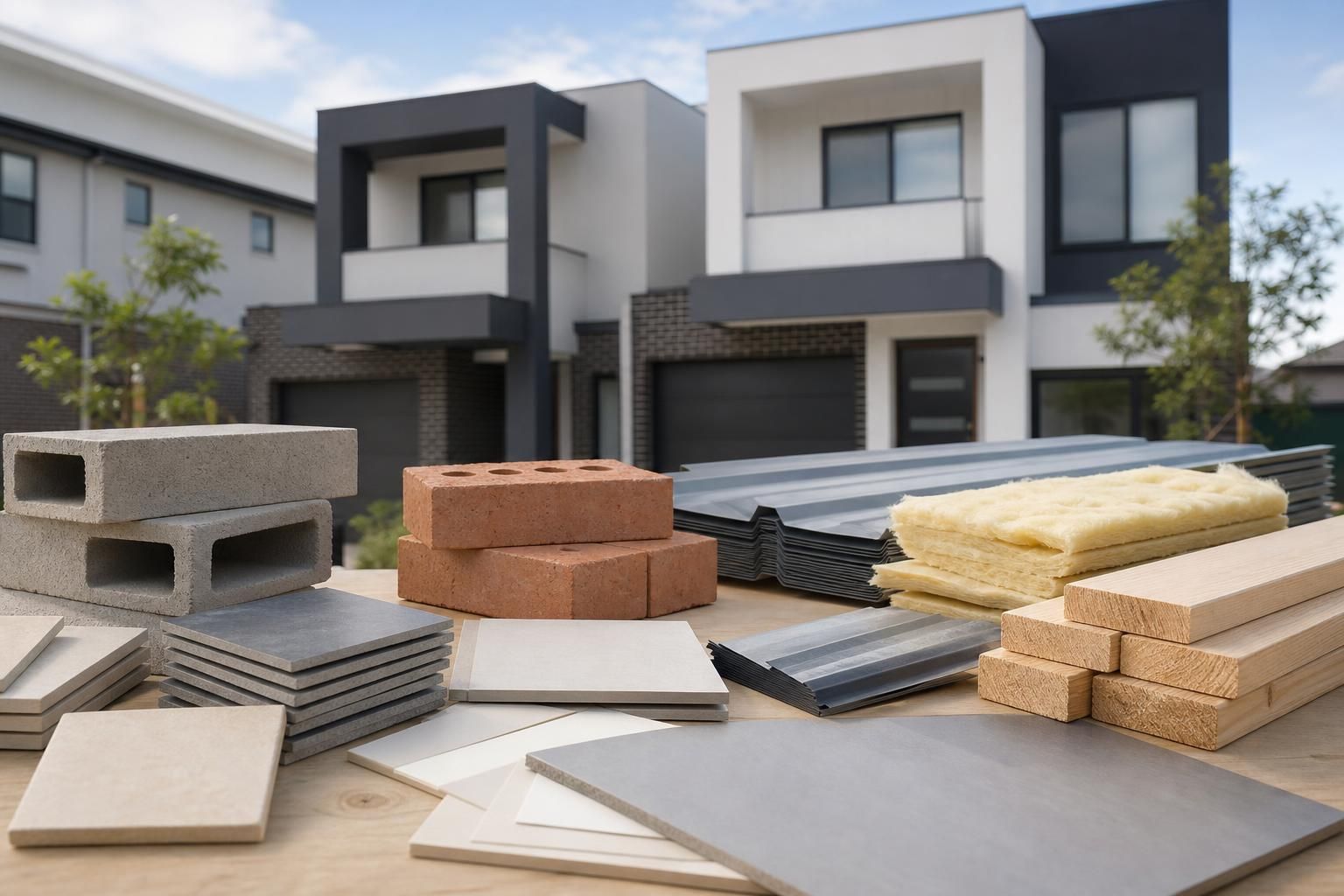
- Specification. Brick versus render, standard versus stone benchtops, ducted versus split systems, and the number of wet areas.
- Compliance requirements. Bushfire construction levels, flood floor heights, acoustic separation at the party wall and BASIX energy commitments all carry real cost.
- Authority and service costs. Certifier fees, Sydney Water requirements, long service levy, section 7.11 contributions where they apply, and new driveway crossings.
- Time. Longer programs cost more in preliminaries, and delays caused by incomplete documents are the most common cause.
Ask for a breakdown that shows provisional sums and allowances plainly. A tender that looks cheap usually has thin allowances for the items above.
What good work looks like on site
You can judge a lot from an inspection of a build in progress:
- Set out and levels match the approved plans, and there is a site survey to prove it.
- The party wall is built as a proper separating wall with the fire and acoustic detail called up in the plans, not patched later.
- Waterproofing to wet areas is done before tiling, by a licensed applicator, with documentation.
- Frames are straight, fixings are as specified, and bracing and tie downs are actually installed rather than pencilled on.
- Site is tidy, materials are stored off the ground, and there is sediment control at the boundary.
- Inspections by the certifier happen at each mandatory stage and are recorded.
Bad work tends to show up as timber left exposed to weather for weeks, ad hoc changes not reflected in any drawing, and variations delivered verbally after the fact.
Questions to ask before you sign
- What is your builder licence number, and does it cover dual occupancy work? You can check licences with NSW Fair Trading.
- Who is my single point of contact, and who is on site day to day?
- How many duplexes have you completed in this council area, and can I visit one under construction?
- Is the contract a standard residential building contract, and who holds home building compensation cover?
- How are variations priced and approved, and will I see them in writing before the work happens?
- What is in the program, and what are the named causes of extension of time?
- What is excluded? Driveways, letterboxes, clotheslines, landscaping and fencing are often outside the building contract, so check who is organising them.
- What happens at handover, and how is the defects period managed?
Matching the builder to the job
A duplex sits between a single home and a small development. You want a builder who is comfortable with the planning side, who has done party wall construction and separate services before, and who will still be answering the phone during the defects period. Ask how decisions get made: a director who visits sites and signs off on variations is worth more than a large office that routes you through three people.
Home Cor Constructions builds duplexes and dual occupancies across Greater Sydney with a base in Wetherill Park and recent work through Penrith, Liverpool and Spring Farm. We are a NSW licensed builder, 328873C, director-led by Anthony Chohaili, with more than 25 years building in Sydney. If you want your block assessed before you commit to a design, that is a sensible first conversation to have.
FAQ
How long does a duplex take to build in Western Sydney?
The construction program depends on size, site conditions and weather, but the bigger variable for most owners is the approval stage before it. A CDC on a compliant site can be measured in weeks, while a DA with referrals can run for months. Ask any builder for a program that separates design, approval and construction so you can see where the time actually goes.
Can I build a duplex and sell only one side?
Yes, if the land can be subdivided. That usually means meeting the council’s minimum lot size and frontage for Torrens subdivision, or using strata where that is permitted. Confirm this before design, because the subdivision path changes how services, driveways and the party wall are built.
Do I need to knock down the existing house first?
If the existing dwelling sits across the proposed footprint, yes. Demolition, asbestos assessment and service disconnections should be in your budget and your program from the start rather than treated as a surprise.